Nobody prepared me for this part: A parent’s emotional adjustment to children’s milestones
DOUGLASVILLE, Ga., Sept. 17, 2026
Press Release Disclaimer: This is a press release distributed through the XPR Media network. It has not been independently verified by our newsroom.

Nobody prepared me for this part: A parent’s emotional adjustment to children’s milestones
PR Newswire
DOUGLASVILLE, Ga., Sept. 17, 2026
DOUGLASVILLE, Ga., Sept. 17, 2026 /PRNewswire/ — Parents spend enormous energy preparing their children for what’s next.
- First day of preschool
- Transition to kindergarten
- Transition to middle school
- Starting high school
- Getting a driver’s license
- First job
- Moving to college
- Independent living
From the first day of preschool to moving into a college dorm, the conversation almost always focuses on whether the child is ready.
Far less attention is paid to what happens after the milestone, when parents find themselves navigating a complicated mix of pride, excitement, sadness, worry and loss. If you’re struggling after your child reaches an important milestone, it doesn’t mean you’ve done something wrong. It often means you’ve been deeply invested in helping them get there.
To better understand these emotions and how to deal with them in a healthy manner, we spoke with Youth Villages experts Razi Abraham, lead residential counselor at Inner Harbour and Shovonne Williams, assistant principal of the Inner Harbour Campus School, both in Douglasville, Ga.
Q: Why do we spend so much time preparing children for transitions, but so little time preparing parents?
Abraham: Parents have already had to experience so many adjustments throughout their own lives, and they are responsible for their children. From the time children are born, and even before they’re born, there’s already so much investment that goes into them. Sometimes parents think about their role and responsibility and minimize their own experiences. They continue to prioritize the needs of others over their own.
Q: Is it normal to feel sadness or grief even when the change is positive?
Williams: Pride and sadness can exist together. It doesn’t mean you’re not happy for them. It just means the moment matters so much to you.
Q: Why can pride and sadness exist at the same time?
Williams: You don’t feel like it’s OK to be sad, but it’s important to acknowledge that there’s change. It doesn’t mean you’re not happy for them. It just means the moment matters. It’s natural to feel both.
Q: Do these feelings show up before children leave home?
Williams: Even with the younger ones, you see them growing up. My 8-year-old can take the trash out and do different things independently. My daughter, who’s in kindergarten, is already taking charge and reminding her brother about the rules. You see them morphing into little independent people. That’s rewarding, but it’s also a moment where you realize, ‘Wow, they’re growing up.’
Abraham: Even when kids aren’t transitioning to the next grade or stage of life, their day-to-day development can prompt a sense of grief. I hear parents say, ‘Slow down. I don’t want you to grow up so fast.’ Even those everyday changes can create a sense of loss.
Q: What are signs that a parent may be struggling to adjust?
Abraham: Parents may find themselves becoming more overbearing. They may try to force conversations, offer more opportunities to spend time together or constantly want to save the day. While their intention is to support and stay connected, they may make it harder for their child to develop independence and problem-solving skills.
Q: What can parents do to adjust in a healthy way?
Williams: For starters, give yourself permission to feel it all. It’s healthy to share that you’ll miss your child, but don’t make them feel responsible for managing your emotions. Don’t make them feel guilty for growing and becoming independent. Creating new rituals can help. Maybe it’s a weekly phone call or some other tradition that keeps the relationship strong while they’re embarking on this new chapter.
Abraham: If you know a transition is coming up, preparing for the shift ahead of time can be helpful. Think about how it’s going to impact your schedule and routines. I also encourage parents to think about their values. Ask yourself how you’ve lived out those values as a parent and what those values will look like moving forward. Your values still speak to who you are, with or without kids at home.
Q: Why is it important to maintain interests, friendships and goals outside of parenting?
Williams: We were simply people before we were parents. It’s inevitable that they’re going to grow up and leave the household at some point, so you have to know what you’re interested in and what you like to do. Maintaining those interests helps keep you healthy and gives you purpose.
Abraham: When you surround yourself with people and experiences beyond parenting, you’re broadening opportunities for connection, compassion and enjoyment. There may be experiences you’ve never explored because you’ve been so focused on your children. Opening yourself up to those opportunities can really help.
Q: What would you say to a parent thinking, ‘I was prepared for my child to leave, but nobody prepared me for how I would feel’?
Williams: Be connected to those feelings. Feel them. Process them. Talk to other parents. Journal. Reflect on what you enjoyed doing before you were a parent and think about what you want this next chapter of your life to look like. Brainstorm the things you’ve always wanted to do but couldn’t because you were so focused on raising your kids.
Abraham: Acknowledge that. Even in a space where things are expected, you will still encounter the unexpected. Allow yourself to fully experience those feelings and to grieve. Even if no one prepared you, you can still prepare yourself moving forward once you’ve acknowledged what you’re experiencing.
Razi Abraham, LCSW, is a lead therapist with Youth Villages’ Inner Harbour residential program for youth and adolescents in Douglasville, Georgia. Throughout the past nine years with the organization, Razi continues to find joy in serving youth and families and inspiring other counselors and professional staff to serve with compassion and care.
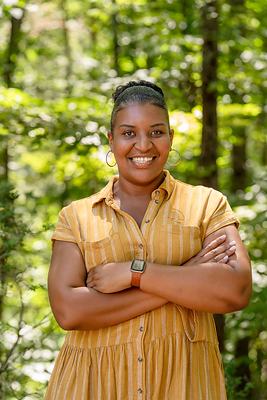
Shovonne Williams, assistant principal for Youth Villages’ Cognia-accredited school at Inner Harbour in Douglasville, Georgia, is an experienced educator and mother of three school-aged children.

 View original content to download multimedia:https://www.prnewswire.com/news-releases/nobody-prepared-me-for-this-part-a-parents-emotional-adjustment-to-childrens-milestones-302882435.html
SOURCE Youth Villages, Inc.