
Rabbit Residential: Seattle Homeowners Planning Kitchen Remodels May Face Thousands in Added Cabinet Costs After 2027 Tariff Increase
Rabbit Residential urges homeowners considering a kitchen remodel to begin planning now, as a scheduled increase in
Press Release Disclaimer: This is a press release distributed through the XPR Media network. It has not been independently verified by our newsroom.


SEATTLE, WA: Seattle homeowners considering a kitchen remodel have a narrowing window to avoid a significant cost increase.
Since October 2025, many covered imported kitchen cabinets, vanities, and component parts have been subject to a 25% Section 232 tariff. That rate was originally scheduled to increase to 50% on January 1, 2026, but the increase was postponed until January 1, 2027.
With only months remaining before the scheduled increase, homeowners who delay projects into 2027 could face hundreds or even thousands of dollars in additional cabinetry costs, depending on the size of the project, where the cabinets are manufactured, when they enter the United States, and how much of the added tariff is passed through by suppliers.
For every $10,000 in affected import value, an increase from a 25% tariff to 50% represents another $2,500 in tariff expense before considering how those costs ultimately flow through distributors, cabinet suppliers, contractors, and homeowners.
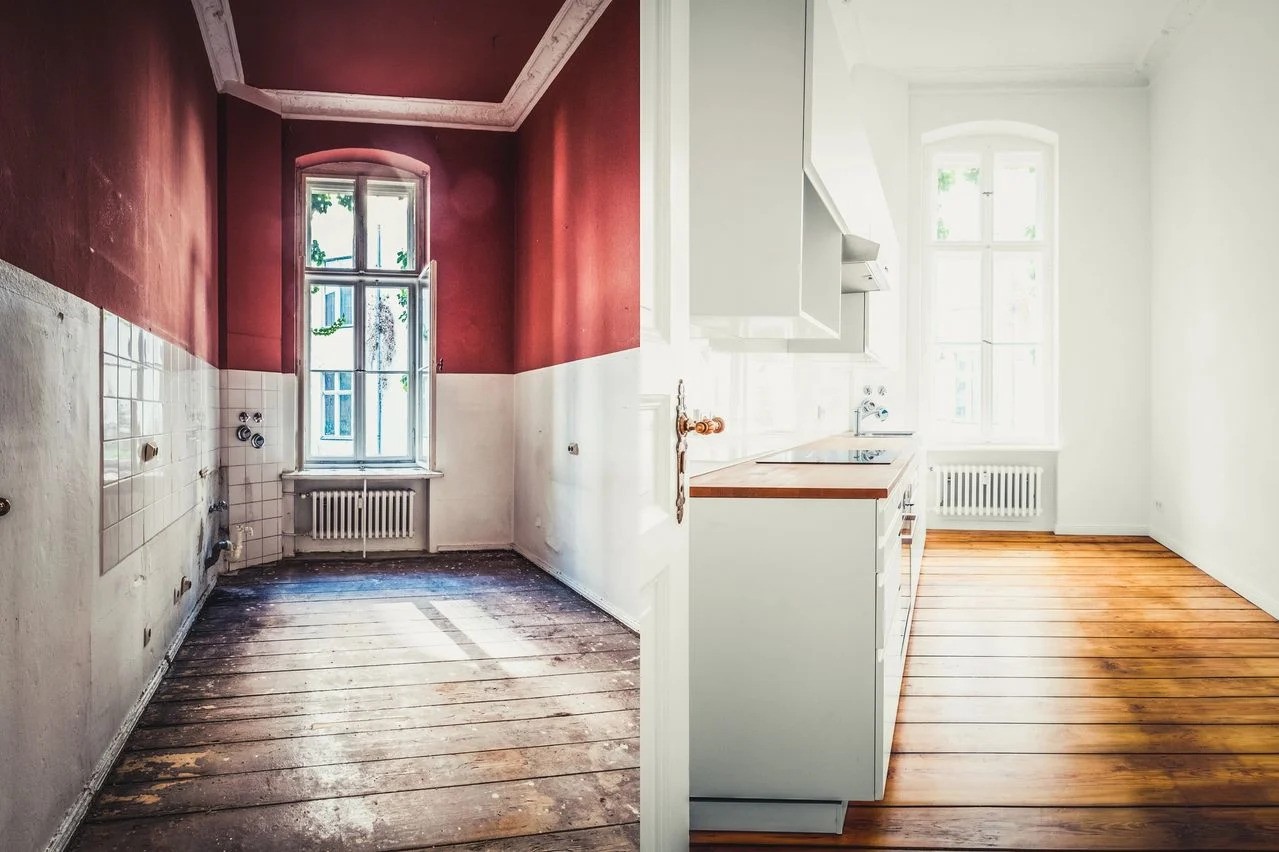
For Seattle homeowners already considering a kitchen remodel, the issue is not whether to rush out and order cabinets. It is whether waiting unnecessarily could make the same project substantially more expensive.
“If someone knows they want to remodel their kitchen in the next six to twelve months, there is a strong argument for starting the planning process now,” said Phil Killham, founder of Rabbit Residential. “Cabinetry is a major part of the budget, and a change this large in import costs can translate into real money. Waiting until next year to begin making decisions could mean spending hundreds or thousands of dollars more for essentially the same project.”
Planning Early Means More Than Ordering Cabinets
Cabinet pricing is only one part of planning a successful kitchen remodel, particularly in Seattle’s older housing stock.
More than half of Seattle’s housing units were built before 1980. In established neighborhoods such as Ballard, Wallingford, Queen Anne, Capitol Hill, Ravenna, Green Lake, and Columbia City, kitchen remodeling often reveals conditions that were not apparent before demolition begins.
Older or undersized branch drains may need upgrading. Galvanized supply piping may be nearing the end of its useful life. Electrical panels and circuits may not be adequate for modern appliances. Ventilation may need improvement, while removing or relocating walls can introduce structural and permitting considerations that affect both budget and schedule.
“We don’t recommend choosing cabinets before understanding the house itself,” Killham said. “In Seattle’s older homes, plumbing, electrical capacity, ventilation, structural conditions, and permitting can affect the design and budget just as much as finishes. The homeowners who are best positioned to control costs are the ones who start early enough to understand both.”
Starting earlier gives homeowners time to evaluate the existing house, establish a realistic scope, make design decisions, obtain necessary permits, compare cabinet options, and determine whether affected imported products can be ordered before the scheduled tariff increase.
Kitchen Remodeling Continues to Deliver Strong Value in Seattle
Cost data from the 2025 JLC Cost vs. Value Report shows that Seattle homeowners continue to see strong returns from well-planned kitchen improvements.
A minor midrange kitchen remodel in Seattle recouped approximately 118.1% of its cost at resale, while a major midrange kitchen remodel returned approximately 53.1%.
The difference reinforces an important point for homeowners: spending more does not automatically produce a better financial return. Thoughtful decisions about scope, layout, materials, and construction can matter as much as the size of the budget.
For homeowners already considering a kitchen renovation in 2026 or early 2027, the scheduled cabinet tariff increase adds another reason to begin those decisions sooner.
No Need to Panic, But There Is a Reason Not to Procrastinate
Rabbit Residential cautions homeowners against making rushed purchasing decisions solely because of the tariff deadline.
Cabinet origin, product category, supplier inventory, project design, and construction schedule can all affect whether the tariff increase ultimately influences a particular remodel. Not all cabinets are subject to the Section 232 tariff; domestically manufactured products and certain product categories are not covered.
But homeowners who already expect to remodel within the next year may benefit from beginning the planning process now, while there is still time to evaluate options before the scheduled January 2027 increase.
Rabbit Residential works with homeowners throughout the Seattle metro area on kitchen remodeling, bathroom remodeling, home additions, ADU and DADU construction, whole-home renovation, and custom residential projects.
The company’s kitchen remodeling process begins with a site evaluation and scope discussion, with particular attention to the plumbing, electrical, ventilation, structural, permitting, and other conditions commonly encountered in Seattle’s older homes.
More information about Rabbit Residential’s Seattle kitchen remodeling services is available at www.rabbitresidential.com/kitchen-remodeling-seattle.
Rabbit Residential also partners with community banks and credit unions across King and Pierce Counties as a preferred renovation contractor for bank-owned and REO properties. Financial institutions looking to renovate distressed assets may contact Phil Killham directly at phil@rabbitresidential.com
ABOUT RABBIT RESIDENTIAL
Rabbit Residential is a Seattle-based residential contractor specializing in kitchen and bathroom remodeling, custom home construction, home additions, ADU and DADU construction, and whole-home renovation. The company serves homeowners throughout the Seattle metro area with a focus on craftsmanship, structured project management, and honest cost guidance. More information is available at rabbitresidential.com.
Media Contact

Name
Rabbit Residential Construction
Contact name
Phil Killham
Contact phone
(206) 867-6416
Contact address
3620 44th Ave SW
City
Seattle
State
WA
Zip
98116
Country
United States
Url
https://rabbitresidential.com/

